
Islamic Mortgage UK: What Buyers Often Miss About Halal Mortgages
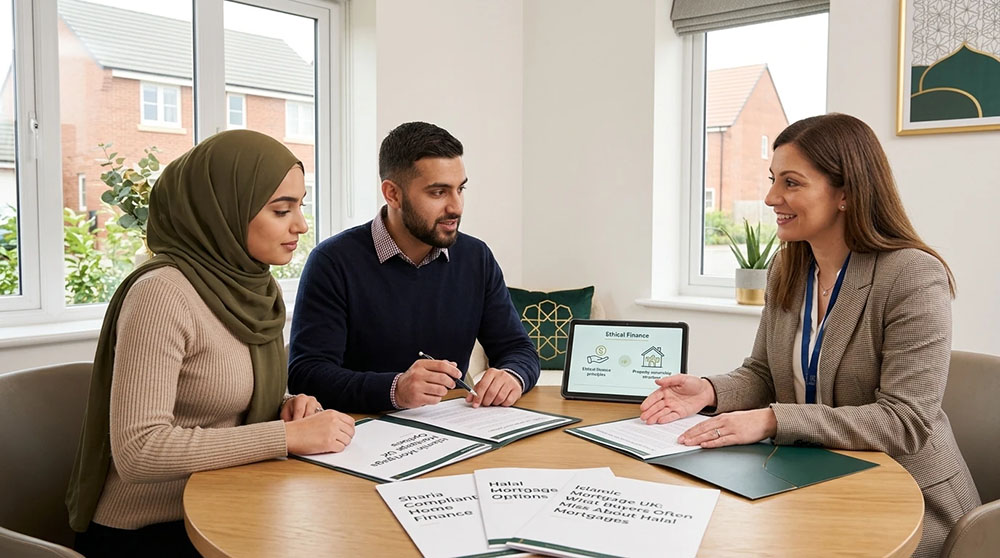
For many Muslim buyers in Britain, purchasing a home is not only a financial decision, it is also a religious and ethical one. This is why interest-free mortgage alternatives and Sharia compliant property finance have become increasingly popular across the UK.
However, one of the biggest misunderstandings is that every “halal mortgage” works the same way. In reality, Islamic home finance products can use different structures, ownership models, and legal arrangements. Understanding how these products actually work is essential before making any commitment.
What Is an Islamic Mortgage?
In the UK, an Islamic mortgage is usually structured as a Home Purchase Plan (HPP) rather than a traditional mortgage. The aim is to provide a form of halal home finance that avoids charging or paying interest, also known as riba.
Instead of lending money and charging interest on the loan, the provider typically purchases the property with the customer or buys it on the customer’s behalf. The customer then makes monthly payments that may include:
Rent for using the provider’s share of the property
Payments towards gradually increasing their ownership share
Agreed profit arrangements under Sharia compliant structures
Because of this structure, many providers describe these products as:
Sharia compliant mortgage
Riba-free home finance
Islamic home purchase plan
Interest-free mortgage alternatives
Although people commonly use the term “halal mortgage,” many UK products are technically Home Purchase Plans regulated under UK financial rules.
Types of Sharia Compliant Home Finance
Several Islamic finance models are used in the UK market. The most common include:
Ijara
A lease-style arrangement where the provider buys the property and the customer pays rent while gradually moving towards ownership.
Murabaha
The provider purchases the property and resells it to the customer at an agreed profit, with payments spread over time.
Diminishing Musharaka
A co-ownership structure where the customer gradually buys the provider’s share until they fully own the property.
Different lenders may structure these products differently, even if they are all marketed as halal mortgages or Sharia compliant property finance.
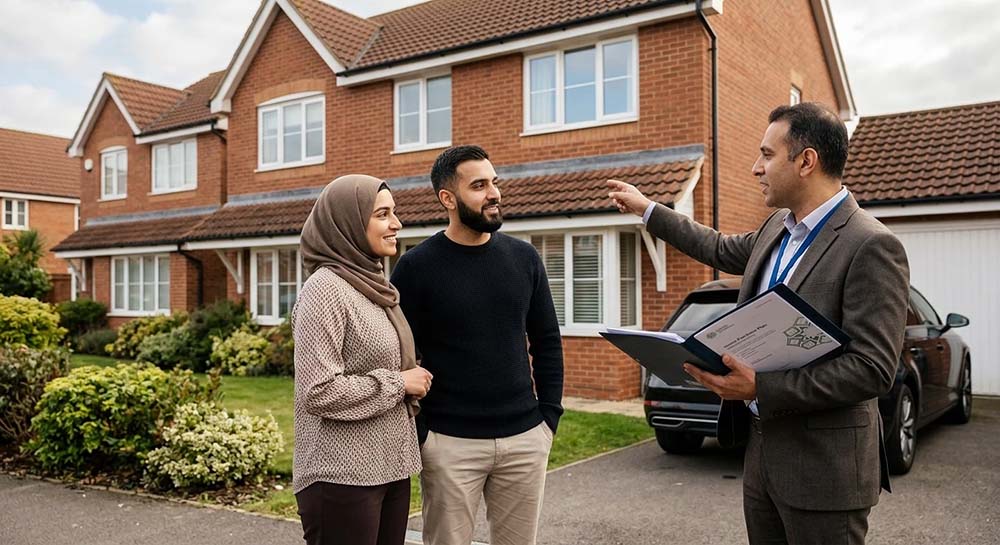
What Buyers Often Miss
One of the biggest assumptions buyers make is that all Islamic mortgage UK products are identical. They are not.
Some Home Purchase Plans are based on co-ownership arrangements, while others are structured more like resale agreements. Monthly costs, ownership rights, early settlement terms, and legal responsibilities can vary significantly between providers.
Another common misunderstanding is around the word “interest-free.” Although these products are designed to avoid conventional interest, monthly payments may still move in line with wider market conditions or property finance pricing.
It is also important to understand:
Who legally owns the property during the agreement
How monthly payments are calculated
Whether payments can increase over time
What happens if the customer wants to settle early
Which maintenance and insurance responsibilities apply
Some buyers focus only on whether a product is labelled halal, without fully reviewing the structure behind it. Many advisers and Islamic finance specialists recommend reviewing both the legal documentation and the Sharia supervision process carefully before proceeding.
Are Islamic Mortgages Regulated in the UK?
Yes. Home Purchase Plans are regulated in the UK and fall under FCA oversight in many cases.
The UK Islamic finance market has also expanded in recent years, with more providers entering the sector and offering Sharia compliant mortgage products for residential purchases, buy-to-let properties, and specialist finance arrangements.
This growth has increased awareness of:
Halal mortgage products
Islamic mortgage UK solutions
Riba-free home finance
Ethical and faith-based property finance
However, availability is still more limited compared to conventional mortgages, and eligibility criteria can differ between providers.
Costs and Deposits
Many Islamic mortgage UK providers still require:
Affordability checks
Credit assessments
Proof of income
Deposits
In some cases, deposits may be higher than conventional mortgage products, depending on the lender and property type.
Fees, legal costs, and monthly payments should always be reviewed carefully before choosing a Home Purchase Plan.
How PBSbrokers Can Help
At pbsbrokers, we help clients explore mortgage and property finance options based on their individual circumstances and preferences. This includes reviewing affordability, discussing available structures, and helping clients understand the differences between conventional and Sharia compliant home finance products available in the UK market.
Our role is to provide clear, practical guidance so clients can make informed decisions with confidence.
Disclaimer
This article is intended for general informational purposes only and does not constitute financial, legal, or religious advice. Islamic home finance products and Home Purchase Plans may vary between providers, and eligibility is subject to lender criteria, affordability checks, and regulatory requirements. Buyers should always seek independent financial, legal, and religious guidance before entering into any agreement. For more information, please contact PBSBrokers before making any financial decisions.